
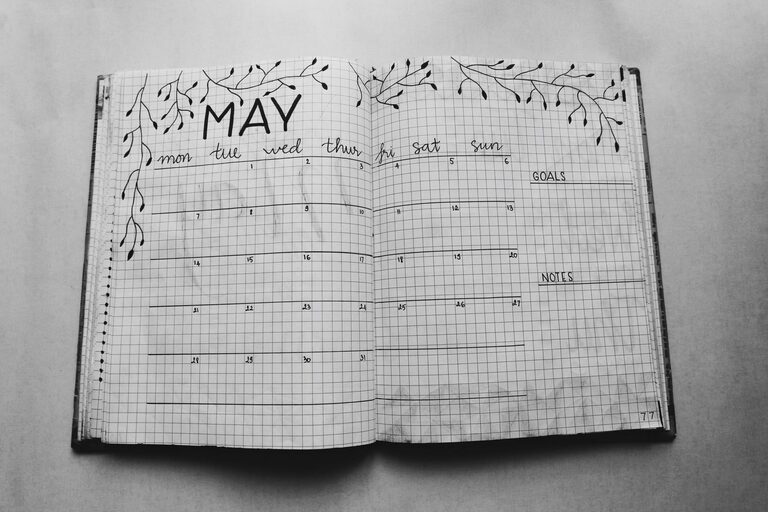
Journaling is a simple yet powerful practice that can help you improve your mental clarity, boost creativity, and increase self-awareness. If you’ve ever wanted to start journaling but weren’t sure where to begin, this beginner guide will walk you through the essentials of making journaling a daily habit.
Why Journal Every Day?
Writing in a journal daily offers several benefits, including:
– Clearing your mind: Putting your thoughts on paper helps reduce mental clutter.
– Tracking progress: Documenting goals and milestones keeps you motivated.
– Enhancing creativity: Regular writing sparks new ideas and perspectives.
– Managing stress: Journaling can serve as a healthy outlet for emotions.
By dedicating just a few minutes each day to journaling, you can experience these positive effects consistently.
Getting Started: What You Need
You don’t need fancy supplies to begin journaling—just a notebook and something to write with. Here are some options to consider:
– Notebook or journal: Choose a size and style that feels comfortable and inviting.
– Pen or pencil: Pick something you enjoy writing with.
– Digital tools (optional): Some people prefer journaling apps or digital documents for convenience.
The most important thing is to use what works best for you so the process feels natural and enjoyable.
Finding Your Journaling Style
There’s no right or wrong way to journal. Here are a few popular styles to explore:
– Free writing: Write whatever comes to mind without worrying about grammar or structure.
– Gratitude journaling: List things you are thankful for each day.
– Prompt-based journaling: Use questions or prompts to guide your writing.
– Bullet journaling: Combine notes, to-do lists, and reflections in a structured format.
– Reflective journaling: Analyze your experiences and emotions.
Feel free to mix and match styles until you find what resonates with you.
Tips for Building a Daily Journaling Habit
Starting a new habit can be challenging, but these strategies can help make journaling part of your routine:
1. Set a Specific Time
Pick a time of day when you can consistently write. Many people prefer morning or evening because it frames the day or helps wind down.
2. Keep It Short
Start with just 5 minutes a day. Knowing you don’t have to write a long entry makes it easier to keep up.
3. Create a Comfortable Space
Choose a quiet spot where you feel relaxed and free from distractions.
4. Don’t Aim for Perfection
Your journal is for your eyes only. Write honestly without worrying about spelling or style.
5. Use Prompts to Get Started
If you’re unsure what to write, try prompts like:
– What made me happy today?
– What challenges did I face?
– What am I looking forward to?
6. Celebrate Progress
Mark milestones, like a week or a month of journaling, to keep motivated.
What to Write About: Ideas for Daily Entries
When you’re new to journaling, it can be helpful to have a list of ideas to keep your entries fresh. Here are some topics to consider:
– Daily events and experiences
– Goals and intentions
– Personal reflections and insights
– Things you’re grateful for
– Lessons learned from mistakes
– Creative writing or doodles
– Quotes that inspire you
– Plans and to-do lists
Remember, your journal is yours to personalize—there are no limits.
Overcoming Common Challenges
Many beginners face obstacles when starting a journaling habit. Here are solutions to typical issues:
Feeling Stuck or Uninspired
Try switching up your prompts or journaling style. Even writing about how you feel about journaling can help.
Forgetting to Journal
Set a daily reminder on your phone or pair journaling with another habit, like having morning coffee.
Thinking You Don’t Have Time
Focus on short sessions instead of long writing marathons. A few minutes is better than none.
Final Thoughts
Journaling every day is a rewarding practice that can enrich your life in many ways. It’s a personal journey, so be kind to yourself as you develop this new habit. With patience and consistency, journaling can become a meaningful part of your routine, offering clarity, creativity, and calm.
Start today—grab your journal, write a few lines, and see where the journey takes you!
About the Author