Storing seasonal clothes efficiently can save you space, keep your wardrobe organized, and protect your garments from damage. Whether you’re packing away winter coats or summer dresses, having a system in place makes it easier to switch your wardrobe with the changing seasons. In this guide, we’ll explore tips and methods to store your seasonal clothing effectively to ensure your items stay in great condition and your home stays clutter-free.
Why Proper Storage Matters
Storing clothes properly isn’t just about tidiness—it’s also about maintaining the quality of your garments. Seasonal clothes that are packed away incorrectly can become wrinkled, stained, or damaged by pests and moisture. Efficient storage protects your investment in clothing, making it last longer and look better when it’s time to wear them again.
Preparing Clothes for Storage
Before putting away your seasonal clothes, preparation is key. Follow these steps to get your garments ready for long-term storage:
1. Clean Everything Thoroughly
Wash or dry clean all the clothes you plan to store. Dirt, sweat, and oils can attract insects or cause stains to set if packed away.
2. Repair Minor Damage
Fix loose buttons, broken zippers, and small tears to avoid further damage during storage.
3. Make Sure Clothes Are Completely Dry
Moisture can cause mold and mildew. Let clothing air dry fully before packing.
Choosing the Right Storage Containers
The containers you use can impact the condition of your stored clothes. Here are some options to consider:
Plastic Bins with Lids
Clear plastic bins are ideal because they block pests and moisture while allowing you to see the contents without opening them. Use bins made from BPA-free plastic for safety.
Breathable Fabric Bags
For delicate items like wool or silk, breathable cotton storage bags prevent condensation and keep clothes fresh. Avoid plastic bags that trap moisture.
Vacuum-Sealed Bags
Great for saving space, vacuum bags compress bulky items like sweaters and coats. However, avoid using them for delicate fabrics that can wrinkle or get misshapen.
Organizing Your Seasonal Clothes
Keeping your stored clothes organized helps you find what you need quickly when the season changes.
Sort by Category
Group clothes by type (e.g., sweaters, coats, dresses) or by use (casual, formal). This makes unpacking easier.
Label Everything
Label bins or bags clearly with their contents. Use a label maker or write on masking tape.
Use Dividers or Smaller Bags
Inside larger bins, use smaller bags or dividers to keep items separated and prevent wrinkling.
Storing Clothes to Save Space
Space is often limited, especially if you’re storing clothes in a small apartment or closet. Try these space-saving ideas:
– Roll Clothes: Rolling instead of folding can reduce wrinkles and save room.
– Use Shelf Dividers: These keep stacks tidy and prevent piles from toppling.
– Hang Delicate Items: Use garment bags and sturdy hangers for coats and dresses to maintain shape.
Protecting Clothes from Pests and Odors
Pests like moths can damage fabrics, and stale odors can develop in closed containers. Here’s how to prevent these issues:
– Use Cedar or Lavender: Natural repellents like cedar blocks or sachets of lavender keep moths away and add a pleasant scent.
– Avoid Mothballs: While effective, mothballs have a strong odor and contain chemicals that some prefer to avoid.
– Add Dryer Sheets: Placing dryer sheets in storage bins can help repel insects and freshen clothes.
– Store in a Cool, Dry Place: Avoid damp basements or attics where moisture and temperature fluctuations occur.
Tips for Rotating Seasonal Clothes
When it’s time to switch out your clothes each season, follow these tips to keep your closet manageable:
– Do a Quick Sort: Get rid of items you didn’t wear last season by donating or recycling.
– Refresh Stored Clothes: Shake out and air stored clothes before putting them back in your closet.
– Maintain a Consistent Routine: Set aside time for seasonal wardrobe swaps to avoid last-minute clutter.
Bonus: Tips for Small Spaces
If you don’t have spare storage space, consider these alternatives:
– Under-bed Storage Boxes: Utilize the space under your bed for bins containing out-of-season clothes.
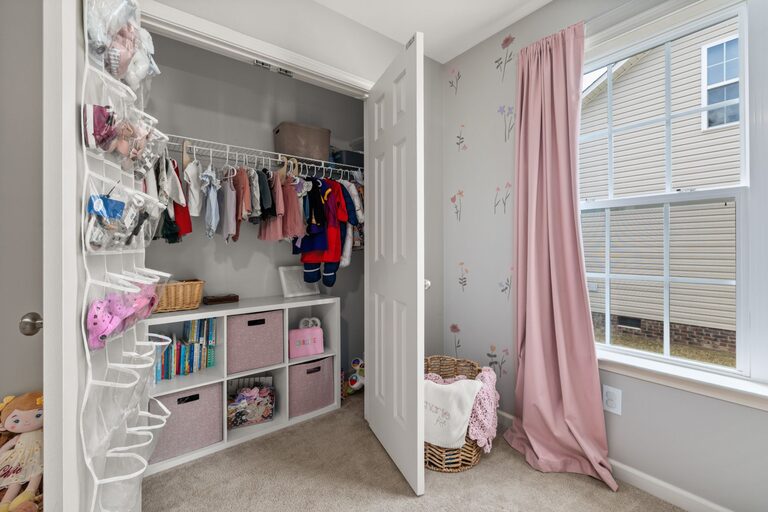
– Over-the-Door Organizers: These are good for smaller items like scarves and hats.
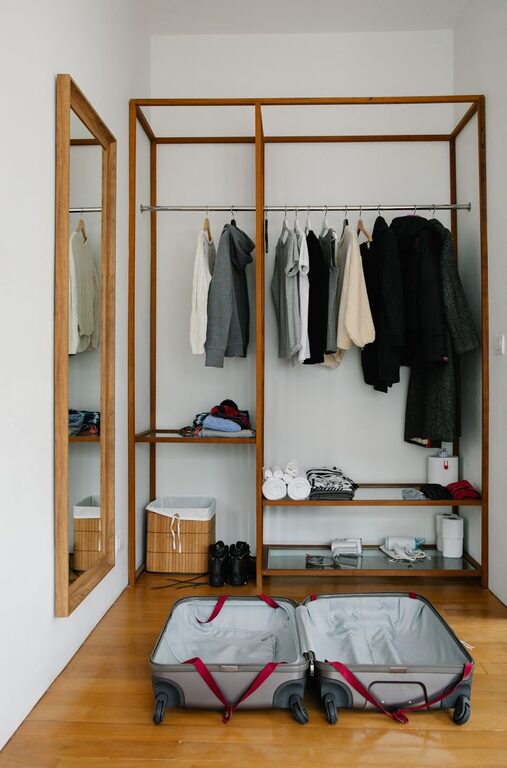
– Vacuum Bags for Travel Bags and Suitcases: Store clothes compressed inside luggage to maximize space.
Conclusion
Efficiently storing your seasonal clothes is a smart way to protect your wardrobe, reduce clutter, and save time when seasons change. By preparing your clothes properly, choosing the right storage methods, and organizing thoughtfully, you can keep your home neat and your garments in great shape for years to come. Start today with these simple steps and enjoy a more organized closet tomorrow!
About the Author