Keeping your fridge and pantry tidy might seem like a small task, but it can make a big difference in your daily kitchen routine. An organized space not only helps you find items quickly but also reduces food waste and keeps your kitchen hygienic. In this guide, we’ll walk you through practical steps to maintain a neat fridge and pantry.
Why Keeping Your Fridge and Pantry Tidy Matters
A cluttered fridge or pantry can lead to expired food being forgotten, wasted money, and even foodborne illnesses. When everything is in its place, you’ll save time during meal prep and grocery shopping. Plus, keeping these spaces clean helps your appliances run more efficiently.
Before You Start: Gather Your Supplies
To begin, gather some basic supplies:
– Cleaning cloth or sponge
– Mild dish soap and warm water
– Baking soda (for odor control)
– Containers or bins for grouping items
– Labels and markers
– Trash bags for expired items
How to Organize Your Fridge
1. Empty and Clean
Start by removing all items from your fridge. Check expiration dates and toss anything spoiled or no longer good. Wipe down shelves and drawers with a mixture of warm water and mild soap. For odors, mix baking soda with water to clean surfaces.
2. Group Similar Items
Sort items by category: dairy, fruits, vegetables, condiments, meats, and leftovers. This makes it easier to locate foods quickly.
3. Designate Zones
– Top shelves: Store ready-to-eat foods like leftovers, drinks, or prepared meals.
– Middle shelves: Ideal for dairy products such as milk and cheese.
– Lower shelves: Place raw meat and fish here in a tray to avoid drips contaminating other foods.
– Drawers: Use one for fruits and another for vegetables (many fridges have humidity controls for these).
– Door: Best for condiments, sauces, and drinks, since this area experiences more temperature fluctuations.
4. Use Clear Containers and Labels
Invest in airtight, clear containers that stack easily. Label each container with the contents and date, so you know when to use them.
5. Implement FIFO (First In, First Out)
Place newer items behind older ones. This encourages using food before it spoils.
How to Organize Your Pantry
1. Remove and Declutter
Take everything out of your pantry and group items by type: canned goods, grains, snacks, baking supplies, etc. Check expiration dates and discard anything expired.
2. Clean Shelves and Floors
Wipe down all surfaces with a mild cleaner or a solution of water and vinegar. Let everything dry completely before returning items.
3. Use Bins and Containers
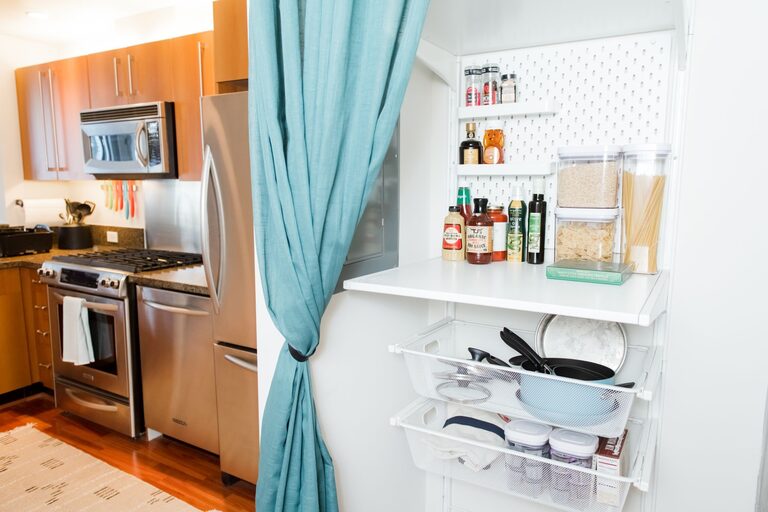
Use bins or baskets to keep like items together. For example, a snack bin for chips and crackers, a baking bin for flour and sugar, and a breakfast bin for cereals and oatmeal.
4. Label Everything
Labels help everyone in the household find what they need and put things back properly.
5. Store Items by Frequency of Use
Place frequently used items at eye level for easy access. Items you use less often can go on higher or lower shelves.
6. Consider Shelf Risers and Door Storage
Shelf risers can create extra space for stacking cans or jars. If your pantry has a door with hooks or shelves, use it for lightweight items like spice jars or small packets.
Tips for Maintaining a Tidy Fridge and Pantry
– Weekly Check-ins: Spend a few minutes each week tidying and throwing out expired items.
– Keep a Shopping List: Note what you need as you run low to avoid overbuying or forgetting essentials.
– Use Clear Storage: Transparency helps you see what’s inside, so food doesn’t get lost.
– Temperature Control: Keep your fridge at or below 40°F (4°C) to keep food fresh longer.
– Avoid Overloading: Overcrowding reduces airflow and can spoil food faster.
Benefits of an Organized Fridge and Pantry
– Less Food Waste: Clear visibility and proper storage help you consume food before it spoils.
– Saves Money: Avoid buying duplicates or unnecessary items.
– Faster Meal Prep: Knowing where everything is speeds up cooking and cleaning.
– Cleaner Environment: Reduces spills, odors, and cross-contamination risks.
Conclusion
Taking time to organize and maintain your fridge and pantry can improve your cooking experience and reduce waste. By adopting simple habits like grouping items, using clear containers, and regularly cleaning, you’ll enjoy a more efficient and pleasant kitchen space. Start with a thorough clean-out, then keep up with small weekly tasks to maintain order. Your future self will thank you!
About the Author